Creamed Peas
What Makes Creamed Peas Special
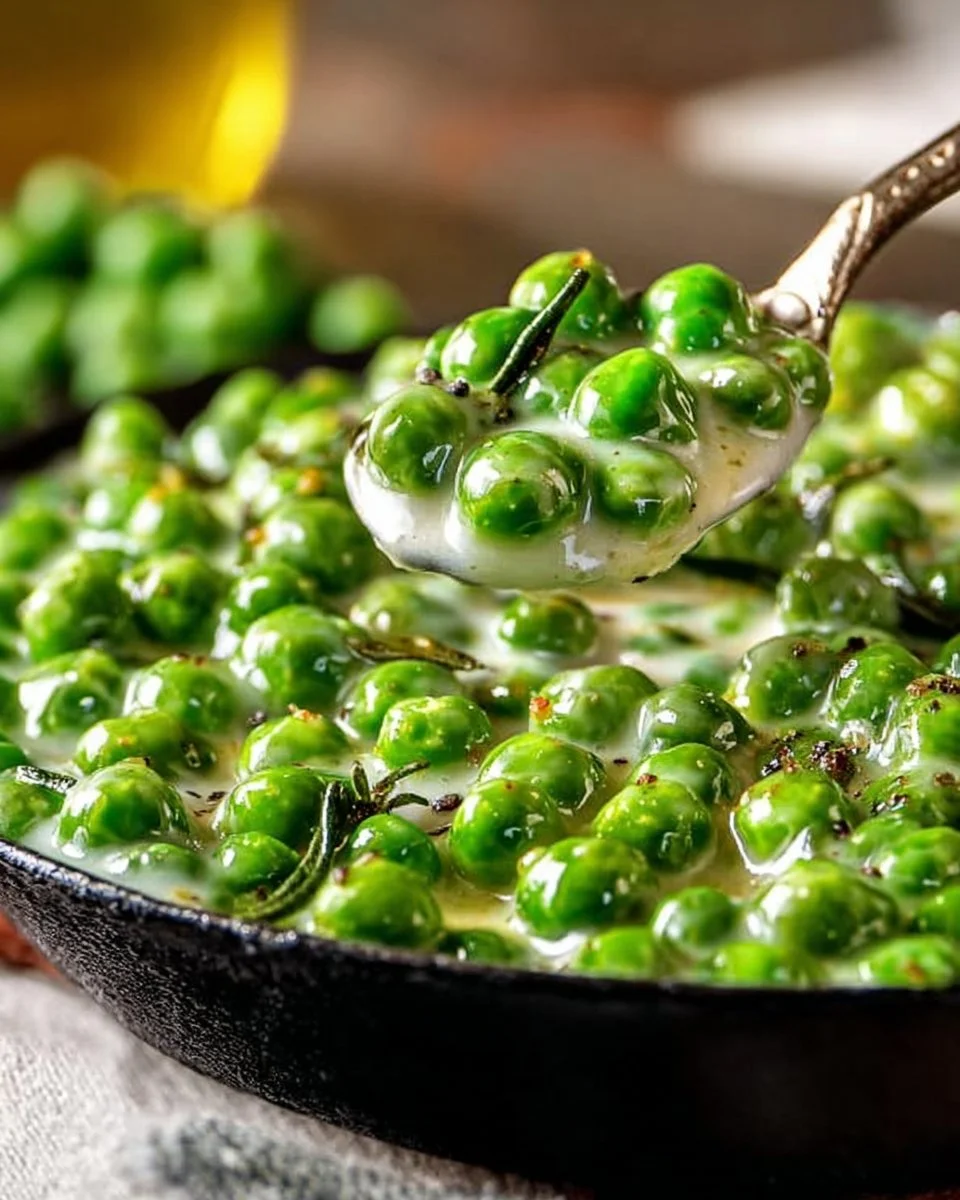
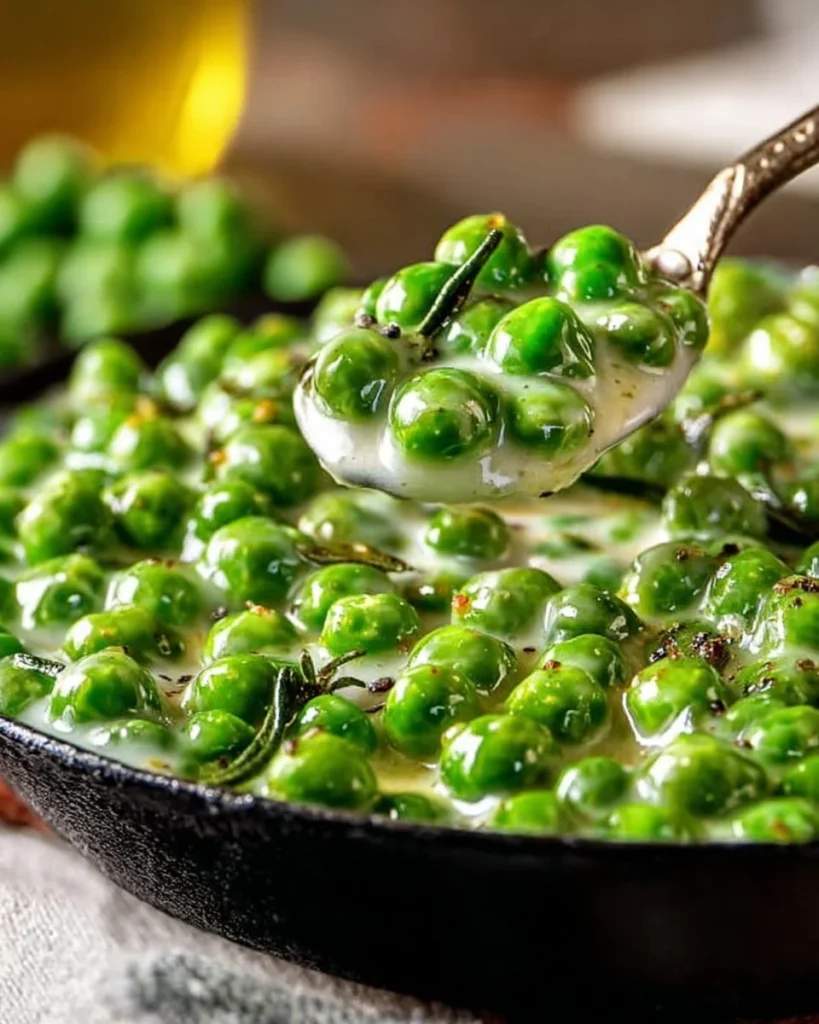
Creamed Peas are a comforting, silky side that pairs with almost any main. This classic dish blends bright green peas with rich butter and heavy cream. The result is smooth, slightly sweet, and deeply satisfying. The aroma is buttery and fresh. The texture is creamy with a gentle pop from the peas. People love it because it feels indulgent yet homey. It brings a sense of nostalgia to family meals and holiday plates alike. 🫛
Historically, creamed vegetable dishes trace back to simple peasant cooking where cream and butter elevated humble produce. Over time, cooks refined the technique, keeping it simple and delicious. This recipe keeps the focus on peas’ natural sweetness and the luxurious mouthfeel of cream. When you taste these easy Creamed Peas, you notice a balance: no single ingredient overwhelms. The cream smooths, the butter adds depth, and the peas add a bright, vegetal note.
This article gives you a homemade Creamed Peas method that’s fast, reliable, and perfect for weeknights. If you like Southern sides, you might also enjoy a similar comforting dish like Creamy Southern black-eyed peas for variety. Read on to learn why this is one of the best Creamed Peas recipes you’ll make.
Why This Recipe is Perfect
- Quick and easy: Ready in under 15 minutes.
- Pantry-friendly: Uses few, common ingredients.
- Budget-friendly: Peas and staples keep cost low.
- Beginner-friendly: Simple steps with clear visual cues.
- Family-approved: Mild flavors please kids and adults.
- Consistent: Reliable texture every time.
- Versatile: Adapts well to dietary swaps.
This version improves on others by focusing on step timing and sensory cues. Many recipes overcook peas or add too much liquid. We keep the texture vibrant and the sauce just thick enough. The method highlights how to make easy Creamed Peas with maximum flavor and minimal fuss.
How to Make Creamed Peas
Start by melting butter over medium heat. Butter acts as the flavor base and helps the cream bind to the peas. Add peas and heat until warmed through. This warms the center without turning them mushy. Pour in heavy cream and stir gently; the cream coats each pea and creates the silky sauce. Season last so salt balances with final texture and flavor.
Step logic:
- Melt butter: develops a nutty aroma and adds body.
- Heat peas: gentle heat preserves color and texture.
- Add cream: creates the sauce base and controls consistency.
- Season at the end: salt and pepper highlight sweetness without collapsing the peas.
Tip: If sauce looks thin, simmer 1–2 minutes longer. If it thickens too much, thin with a splash of milk. For more depth, add a small pinch of sugar or a splash of lemon juice at the end to brighten the flavor.
For ideas mixing creams and beans, see this take on Southern sides like Southern black-eyed peas loaded with flavor.
Ingredients
- 2 cups peas (fresh or frozen)
- 2 tablespoons butter
- 1/2 to 3/4 cup heavy cream
- Salt, to taste
- Freshly ground black pepper, to taste
How to choose high-quality ingredients:
- Peas: Use fresh shelled peas in season for best flavor. Frozen peas are a great substitute; they are picked and frozen at peak ripeness.
- Butter: Use unsalted butter so you control salt levels. High-fat butter gives richer taste.
- Heavy cream: Look for pasteurized, full-fat cream for the best texture.
Substitutions:
- Dairy-free: Replace butter with vegan butter and heavy cream with full-fat coconut milk or cashew cream for a vegan version.
- Lower fat: Use half-and-half, but expect a slightly thinner sauce.
- Salt-free diets: Use herbs like parsley and a squeeze of lemon juice to boost flavor instead of salt.
For a different pea-based side, check this simple variation on Southern black-eyed peas.
Step-by-Step Directions
-
Melt the butter.
- Heat a small saucepan over medium heat. Add 2 tablespoons butter and let it melt until foamy and slightly fragrant. Visual cue: butter will foam and give off a light nutty smell. Avoid browning; brown butter changes the flavor profile.
- Common mistake: too-high heat will brown the butter. Keep medium heat.
-
Add the peas.
- Add 2 cups peas to the pan. Stir to coat with butter. For frozen peas, add directly from the bag. Visual cue: peas will steam and brighten to a vivid green. Sound indicator: gentle sizzle as they hit the pan.
- Common mistake: overcooking. Cook only until warmed through, 2–3 minutes.
-
Pour in the heavy cream.
- Add 1/2 to 3/4 cup heavy cream. Stir gently to combine. Visual cue: cream will thin and then slowly thicken as it heats. Smell: rich, dairy aroma.
- Common mistake: adding too much cream. Use less to start; add more if you prefer a saucier dish.
-
Season to taste.
- Add salt and pepper at the end. Taste and adjust. Visual cue: the peas should glisten in a silky sauce. Texture cue: sauce should coat the back of a spoon.
- Common mistake: overseasoning early. Salting too soon can change the pea texture.
-
Finish cooking.
- Cook for 2–3 minutes, stirring, until the mixture is creamy and hot. If using frozen peas, ensure they are fully heated.
- Common mistake: leaving on heat too long. The cream can separate if boiled.
-
Serve warm.
- Transfer to a warm dish and serve immediately for best texture. Visual cue: vibrant green with glossy cream.
How to Serve Creamed Peas
- Classic dinner side: Serve with roasted chicken, pork chops, or meatloaf. The cream complements roasted or grilled mains.
- Holiday plate: Add to a Thanksgiving or Christmas spread with mashed potatoes and glazed carrots.
- Light lunch: Spoon over buttered toast or atop baked potatoes for comfort lunch.
- Pairings and plating:
- Drink pairings: a crisp white wine (Sauvignon Blanc) or a light lager works well. For non-alcoholic, try iced lemon water.
- Plating tip: serve in a shallow bowl and finish with a sprinkle of cracked pepper and a small pat of butter or chopped fresh parsley for color.
Storage and Reheating
Fridge storage:
- Store in an airtight container up to 3 days. Cream-based dishes are best enjoyed soon.
Freezer:
- Freezing cream dishes can change texture. Freeze only if necessary, up to 1 month. Use a freezer-safe container and leave headspace.
Best reheating practices:
- Reheat gently over low heat on the stove. Add a splash of cream or milk to restore silkiness and stir often.
- Microwave: reheat in short 20–30 second bursts, stirring between intervals. Add a little cream if sauce looks dry.
- Avoid boiling during reheating to prevent separation.
Pro Tips
- Use frozen peas for speed and consistent sweetness.
- Warm the cream slightly before adding to prevent temperature shock and curdling.
- Add a pinch of sugar if peas taste flat; it brightens natural sweetness.
- Finish with lemon zest for an elegant brightness.
- Don’t overcook; peas should stay plump and slightly firm.
- For smoother texture, pulse half the peas in a blender and mix back with whole peas.
- Taste at the end for final seasoning adjustments.
Variations
-
Spicy version:
- Add a pinch of red pepper flakes or a dash of hot sauce when adding the cream. Finish with scallions.
-
Healthy version:
- Use low-fat milk or half-and-half and a bit of cornstarch to thicken. Add fresh herbs like dill for flavor without extra calories.
-
Vegan option:
- Use vegan butter and a cashew cream (soak cashews, blend with water) or full-fat coconut milk. Add nutritional yeast for a cheesy depth.
-
Deluxe/gourmet upgrade:
- Fold in crispy pancetta or smoked bacon and finish with grated Parmesan. Add truffle oil for special occasions.
Frequently Asked Questions (FAQ)
Q: How can I prep ahead?
A: You can blanch fresh peas and store them in an airtight container in the fridge for a day. Prepare the sauce base (melted butter and warmed cream) and combine just before serving. For full prep, keep peas and sauce separate and reheat gently together.
Q: My sauce is too thin. How do I fix it?
A: Simmer on low for a minute or two to reduce and thicken. Alternatively, whisk 1 teaspoon cornstarch with 1 tablespoon cold water and stir into the warm mixture; cook 1–2 minutes until thick.
Q: The sauce split. What now?
A: If the cream has separated, remove from heat and whisk in a small splash of cold cream or milk. Whisk vigorously off heat to bring it back together.
Q: Can I use fresh peas instead of frozen?
A: Yes. Fresh peas are excellent. Blanch them for 1–2 minutes then shock in ice water to preserve color. Add to the pan and warm briefly.
Q: How do I adjust cooking time for large batches?
A: For larger quantities, use a wider pan to promote even heating. Increase simmer time by a minute or two but keep an eye on texture to avoid overcooking.
Q: What are good substitutions for heavy cream?
A: Use half-and-half for lighter results, or a dairy-free alternative like cashew cream or full-fat coconut milk for vegan options. Note: texture may vary slightly.
Q: Can I add herbs or cheese?
A: Yes. Stir in chopped parsley, chives, or dill at the end. For richness, a tablespoon of grated Parmesan folds in nicely.
Final Thoughts
Creamed Peas are a simple pleasure. This simple Creamed Peas recipe brings comfort with minimal effort. It works for weeknights, holidays, and everything between. Try the variations, save the tips, and share with friends and family. Enjoy the creamy texture and bright pea flavor. If you loved this, pin it or save it for your next meal. 🥄
Conclusion
For a detailed, restaurant-style take on this classic, compare methods with this trusted home cook’s version: The BEST Creamed Peas | Mom On Timeout. For another reliable reference and variations, see this established recipe collection: Cream Peas Recipe – Allrecipes.
Creamed Peas
Ingredients
Method
- Heat a small saucepan over medium heat and add the butter, letting it melt until foamy and slightly fragrant.
- Add the peas to the pan and stir to coat them with butter, cooking until warmed through for 2-3 minutes.
- Pour in the heavy cream and stir gently to combine, allowing the cream to thicken slowly as it heats.
- Season with salt and pepper to taste, adjusting as necessary.
- Continue to cook for 2-3 minutes, stirring, until the mixture is creamy and heated through.
- Transfer to a warm dish and serve immediately for best texture.