
Vegetable Scrap Broth
Have you ever stared at a pile of vegetable peels and wondered if there’s a better fate for them than the compost bin? What if those carrot tops, onion skins, and celery ends could become the foundation of your next culinary masterpiece? That’s exactly what zero-waste cooking is all about – transforming what might be considered waste into wonderful, flavorful ingredients. Today, I’ll show you how to create a nutrient-rich vegetable scrap broth that’s not only delicious but also embraces eco cooking principles.
Ingredients List
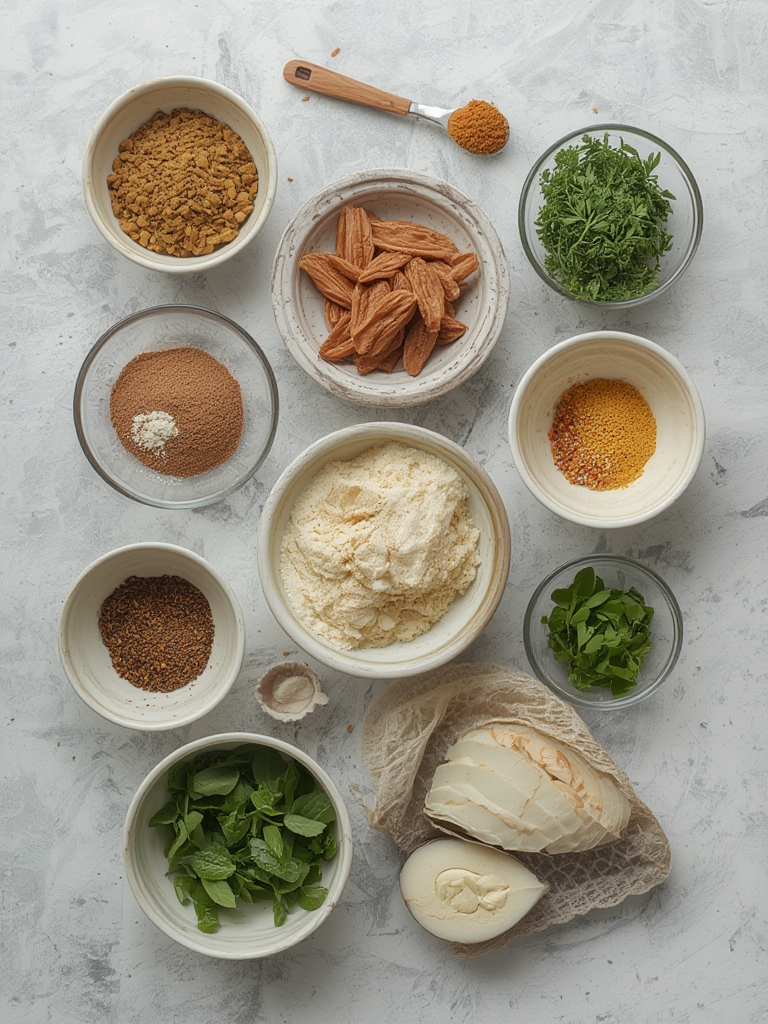
- 4-6 cups vegetable scraps (carrot peels, onion skins, celery ends, leek tops, mushroom stems)
- 2 bay leaves
- 4-6 peppercorns
- 2 garlic cloves, crushed (or garlic skins)
- 1 tablespoon apple cider vinegar (helps extract nutrients)
- 8-10 cups water
- 1 teaspoon salt (optional)
- Fresh herbs like parsley stems, thyme sprigs, or rosemary (optional)
Substitutions: Any clean vegetable scraps work! Avoid bitter vegetables like Brussels sprouts or cabbage, which can overpower your broth. Potato peels can make your broth cloudy but add great flavor.
Timing
- Prep time: 5 minutes (just gather your saved scraps)
- Cooking time: 45 minutes for pressure cooker, 1-2 hours for stovetop
- Total time: 50 minutes to 2 hours
This process saves approximately 30 minutes compared to preparing traditional vegetable stock from whole vegetables, plus eliminates food waste completely!
Step 1: Collect and Prepare Scraps
Keep a container in your freezer and add clean vegetable scraps as you cook throughout the week. Ensure all scraps are free of dirt and mold. Cut larger pieces into smaller ones for maximum flavor extraction.
Step 2: Combine Ingredients
Place all scraps, herbs, bay leaves, peppercorns, and garlic in a large pot or pressure cooker. Add apple cider vinegar and water, ensuring everything is covered.
Step 3: Simmer Gently
For stovetop: Bring to a boil, then reduce heat and simmer for 1-2 hours with the lid slightly ajar.
For pressure cooker: Secure lid and cook on high pressure for 45 minutes.
Pro tip: Longer isn’t always better – vegetables can develop bitter flavors if cooked too long.
Step 4: Strain and Store
Strain the broth through a fine-mesh sieve or cheesecloth. Let cool completely before refrigerating or freezing.
Nutritional Information
Per cup: Approximately 15-25 calories, 0g fat, 1g protein, 3g carbohydrates, 0g fiber, plus vitamins A, C, K, and minerals like potassium and magnesium. Values vary based on scraps used.
Healthier Alternatives for the Recipe
- Lower sodium: Skip the salt entirely and add fresh herbs for flavor
- Immune-boosting: Add ginger scraps and turmeric peels
- Flavor variations: Add dried mushrooms for umami or lemongrass for a citrusy note
Serving Suggestions
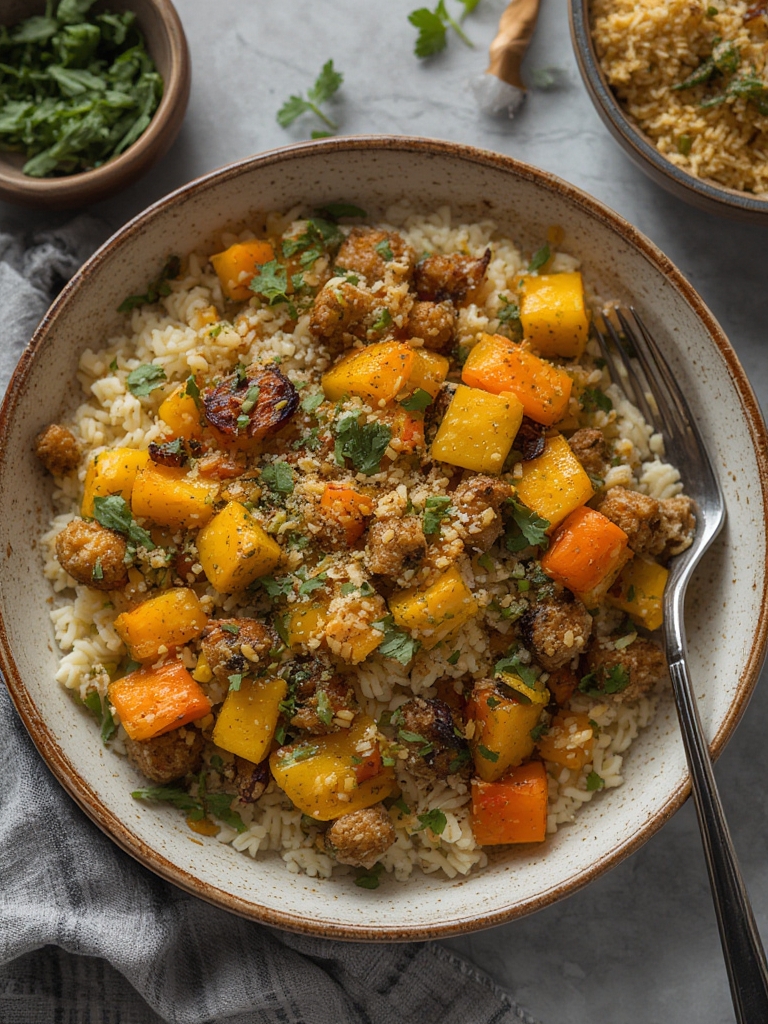
Use your vegetable scrap broth as a base for soups, risottos, and grain cooking. Replace water with broth when cooking quinoa or rice for an instant flavor boost. For a nourishing drink, heat the broth with a squeeze of lemon and sip from a mug on cold days.
Common Mistakes to Avoid
- Using moldy or dirty scraps – always clean thoroughly
- Including too many cruciferous vegetables, creating bitter flavors
- Boiling vigorously, which can create cloudy broth
- Forgetting to label and date stored broth
Storing Tips for the Recipe
Refrigerate in airtight containers for up to 5 days. Freeze in ice cube trays for convenient small portions or in mason jars (leave 1-inch headspace) for up to 3 months. For meal prep, portion into 1-cup containers for ready-to-use amounts.
Conclusion
This vegetable scrap broth embodies the essence of sustainable cooking – transforming what might be discarded into something delicious and nutritious. Not only does this practice reduce food waste, but it also saves money and creates a versatile ingredient for countless dishes. Try this recipe this week and take your first step toward a more sustainable kitchen. Have you made vegetable broth before? Share your experience in the comments!
FAQs
Can I use scraps from all vegetables?
Most vegetables work well, but avoid cruciferous vegetables (broccoli, cabbage) in large quantities as they can make broth bitter. Also avoid moldy or spoiled scraps.
How long can I store vegetable scraps before making broth?
Freeze scraps for up to 3 months. Store them in a dedicated freezer bag and add to it as you cook.
Is homemade vegetable broth healthier than store-bought?
Yes! Homemade broth has no preservatives or excessive sodium, and retains more nutrients since you control the cooking process.
Can I use this method for meat scraps too?
Absolutely! Save chicken bones, beef bones, or shrimp shells in the freezer and use a similar process to make meat-based stocks.
How Was the Recipe?
There are no reviews yet. Be the first one to write one.

Vegetable Scrap Broth
A flavorful, nutrient-rich broth made from vegetable scraps, perfect for sustainable cooking.
- Total Time: 120 minutes
- Yield: 8 servings 1x
Ingredients
- 4–6 cups vegetable scraps (carrot peels, onion skins, celery ends, leek tops, mushroom stems)
- 2 bay leaves
- 4–6 peppercorns
- 2 garlic cloves, crushed (or garlic skins)
- 1 tablespoon apple cider vinegar
- 8–10 cups water
- 1 teaspoon salt (optional)
- Fresh herbs like parsley stems, thyme sprigs, or rosemary (optional)
Instructions
- Collect and prepare scraps: Keep a container in your freezer for clean vegetable scraps.
- Combine ingredients: Place all scraps, herbs, bay leaves, peppercorns, and garlic in a pot or pressure cooker, then add vinegar and water.
- Simmer gently: For stovetop, bring to a boil, then reduce heat and simmer for 1-2 hours. For pressure cooker, secure lid and cook on high pressure for 45 minutes.
- Strain and store: Strain the broth through a fine-mesh sieve or cheesecloth, let cool, then refrigerate or freeze.
Notes
Avoid using moldy or dirty scraps. Skip cruciferous vegetables to prevent bitterness.
- Prep Time: 5 minutes
- Cook Time: 45 minutes
- Category: Soup
- Method: Simmering
- Cuisine: N/A
- Diet: Vegan
Nutrition
- Serving Size: 1 cup
- Calories: 20
- Sugar: 0g
- Sodium: 200mg
- Fat: 0g
- Saturated Fat: 0g
- Unsaturated Fat: 0g
- Trans Fat: 0g
- Carbohydrates: 4g
- Fiber: 0g
- Protein: 1g
- Cholesterol: 0mg
Keywords: vegetable broth, zero waste, sustainable cooking, eco-friendly, homemade broth