
How to Keep Salads Fresh Longer
Have you ever been excited to make a healthy lunch, only to open your refrigerator and find your once-crisp lettuce has turned into a wilted, slimy disappointment? You’re not alone! Keeping salads fresh is a common kitchen challenge that many home cooks face. With the right salad tips, you can extend the life of your greens and enjoy fresh, crisp salads all week long. In this comprehensive guide, we’ll explore proven methods to help your salad storage that will revolutionize your meal prep routine.
Ingredients for Successful Salad Storage
- Paper towels or clean kitchen towels
- Airtight containers or specialized produce containers
- Plastic or silicone food storage bags
- White vinegar (for washing)
- Cold water
- Salad spinner (optional but highly recommended)
- Mason jars (for mason jar salad method)
- Produce storage containers with ventilation
Substitutions: Instead of paper towels, you can use clean, thin cotton kitchen towels. No salad spinner? Use a clean pillowcase and swing it outdoors (just be careful!).
Timing
Proper salad preparation takes approximately 15-20 minutes after grocery shopping but saves you hours throughout the week. This front-loaded effort means you’ll enjoy ready-to-eat greens for 7-10 days instead of the typical 3-4 days with standard storage. That’s nearly a week of extra freshness!
Step-by-Step Instructions
Step 1: Choose the Right Greens
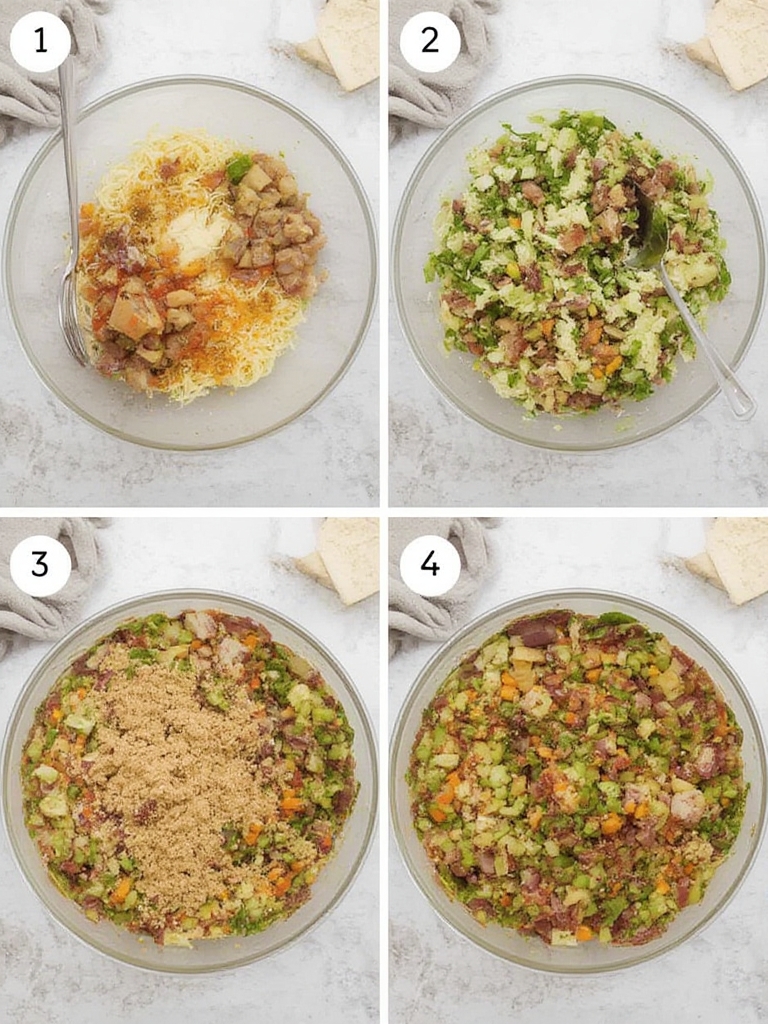
Start with the freshest greens possible. Look for crisp leaves without browning or wilting. Heartier greens like kale, cabbage, and romaine tend to last longer than delicate greens such as spring mix or arugula.
Step 2: Proper Washing Technique
Fill a large bowl with cold water and add 1 tablespoon of white vinegar. Submerge greens and swish gently for 1-2 minutes. The vinegar helps kill bacteria without affecting taste. Lift greens out rather than draining to leave dirt behind.
Step 3: Thorough Drying
Moisture is the enemy of fresh salad greens. Use a salad spinner to remove excess water, or gently pat dry with clean towels. For best results, lay greens in a single layer on towels for 10-15 minutes before storing.
Step 4: Storage Method Selection
Choose either the container method or mason jar method:
- Container method: Line airtight containers with paper towels, add loosely packed dry greens, and top with another paper towel before sealing.
- Mason jar method: Layer ingredients with dressing at bottom, hardy vegetables next, protein in the middle, and greens on top. Store upright.
Nutritional Information
Properly stored salad greens retain more nutrients. Fresh greens provide approximately 10-20 calories per cup while delivering essential vitamins A, C, K, and folate, plus minerals like potassium and magnesium. Their high water content (90-95%) helps with hydration.
Healthier Alternatives for Storage
For eco-friendly options, replace paper towels with thin cotton cloths that can be washed and reused. Choose glass containers over plastic to reduce environmental impact and potential chemical leaching. Beeswax wraps can replace plastic bags for short-term storage.
Serving Suggestions
Pre-portion salads into individual containers for grab-and-go lunches. Keep proteins, crunchy toppings, and dressings separate until serving time. For entertaining, serve family-style in a large wooden bowl with tongs – the presentation is as important as preservation!
Common Mistakes to Avoid
- Never store tomatoes, cucumbers, or avocados with leafy greens
- Don’t wash greens until ready to use unless following proper drying protocols
- Avoid overpacking storage containers, which restricts airflow
- Never store salad near ethylene-producing fruits like apples or bananas
- Don’t leave salad at room temperature for more than 2 hours
Storing Tips for Salads
Properly stored greens last 7-10 days. Add an ethylene absorber to your crisper drawer to extend freshness even further. For meal prep, build salads in layers with dressing at the bottom of containers to prevent sogginess. Refresh slightly wilted greens by soaking in ice water for 15 minutes.
Conclusion
Mastering salad storage techniques can dramatically reduce food waste while ensuring you always have fresh, nutritious greens on hand. These simple yet effective methods take minimal effort but deliver maximum results. Try implementing these strategies this week and experience the satisfaction of crisp, delicious salads every day!
FAQs
How often should I change the paper towels in my salad containers?
Change paper towels if they become noticeably damp, typically every 3-4 days.
Can I freeze lettuce for later use?
Most lettuce varieties don’t freeze well for salads, but can be frozen for use in smoothies or cooked dishes.
Why do my pre-washed, bagged salads go bad so quickly?
Commercial washing processes can leave moisture that accelerates spoilage, plus bags don’t provide optimal airflow.
Is it worth investing in specialized produce containers?
Yes, containers with ventilation systems and water-trapping features can extend freshness by up to 4 extra days compared to regular containers.

Mastering Salad Storage Techniques
Learn effective techniques to store salad greens and keep them fresh for up to 10 days.
- Total Time: 20 minutes
- Yield: 4 servings
Ingredients
- Paper towels or clean kitchen towels
- Airtight containers or specialized produce containers
- Plastic or silicone food storage bags
- White vinegar (for washing)
- Cold water
- Salad spinner (optional but highly recommended)
- Mason jars (for mason jar salad method)
- Produce storage containers with ventilation
Instructions
- Choose the freshest greens possible, avoiding browning or wilting.
- Wash the greens in a large bowl with cold water and 1 tablespoon of white vinegar, submerging them gently.
- Dry the greens thoroughly using a salad spinner or by patting them dry with clean towels.
- Select your storage method: either line airtight containers with paper towels and pack dry greens or layer ingredients in mason jars with dressing at the bottom and greens on top.
Notes
For best freshness, avoid storing ripe tomatoes, cucumbers, or avocados with leafy greens, and change paper towels if damp every 3-4 days.
- Prep Time: 20 minutes
- Cook Time: 0 minutes
- Category: Salad Tips
- Method: Storage & Preparation
- Cuisine: Varied
- Diet: Vegetarian
Nutrition
- Serving Size: 1 serving
- Calories: 15
- Sugar: 0g
- Sodium: 5mg
- Fat: 0g
- Saturated Fat: 0g
- Unsaturated Fat: 0g
- Trans Fat: 0g
- Carbohydrates: 3g
- Fiber: 1g
- Protein: 1g
- Cholesterol: 0mg
Keywords: salad storage, fresh greens, meal prep, food preservation, healthy eating