Homemade Cinnamon Bread
What Makes Homemade Cinnamon Bread Special
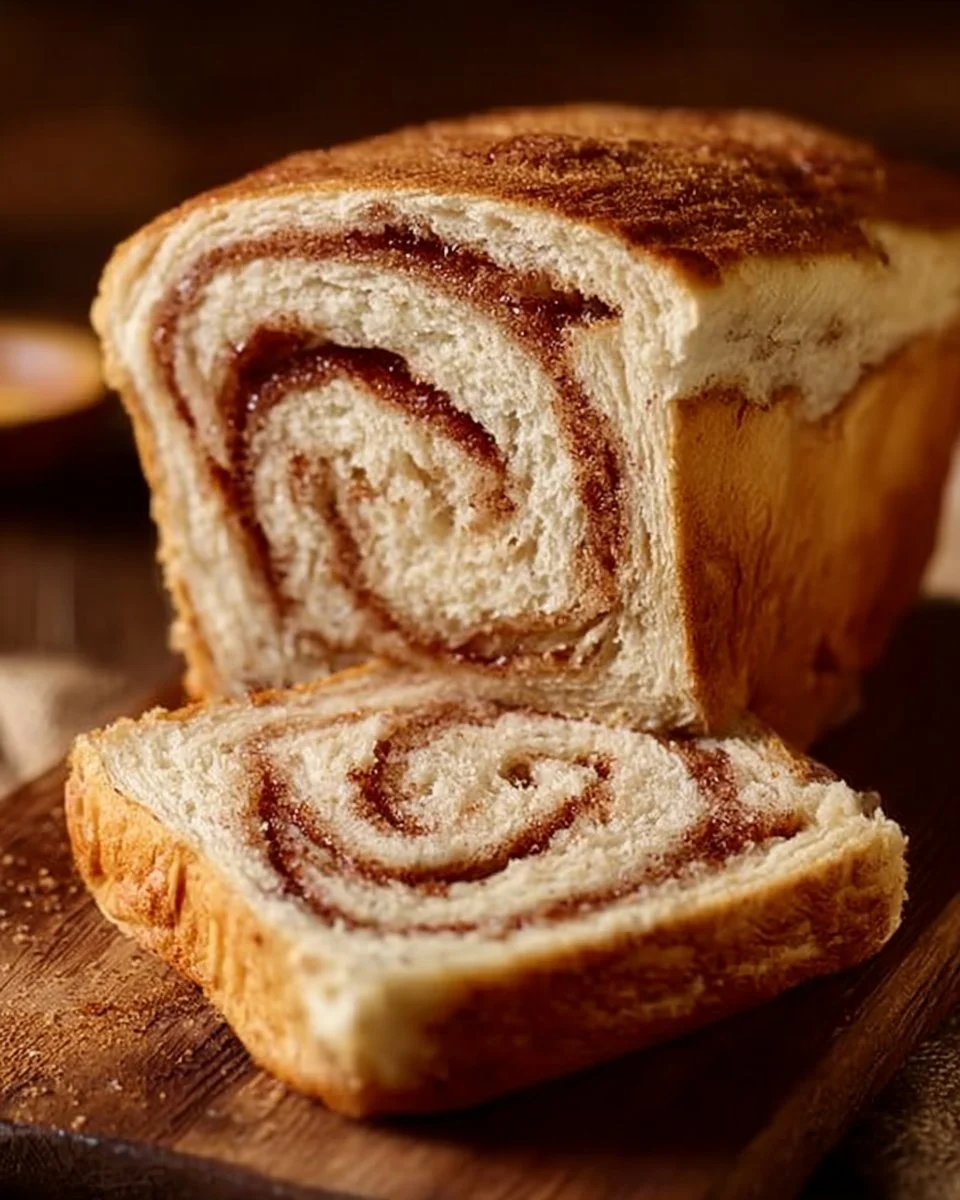
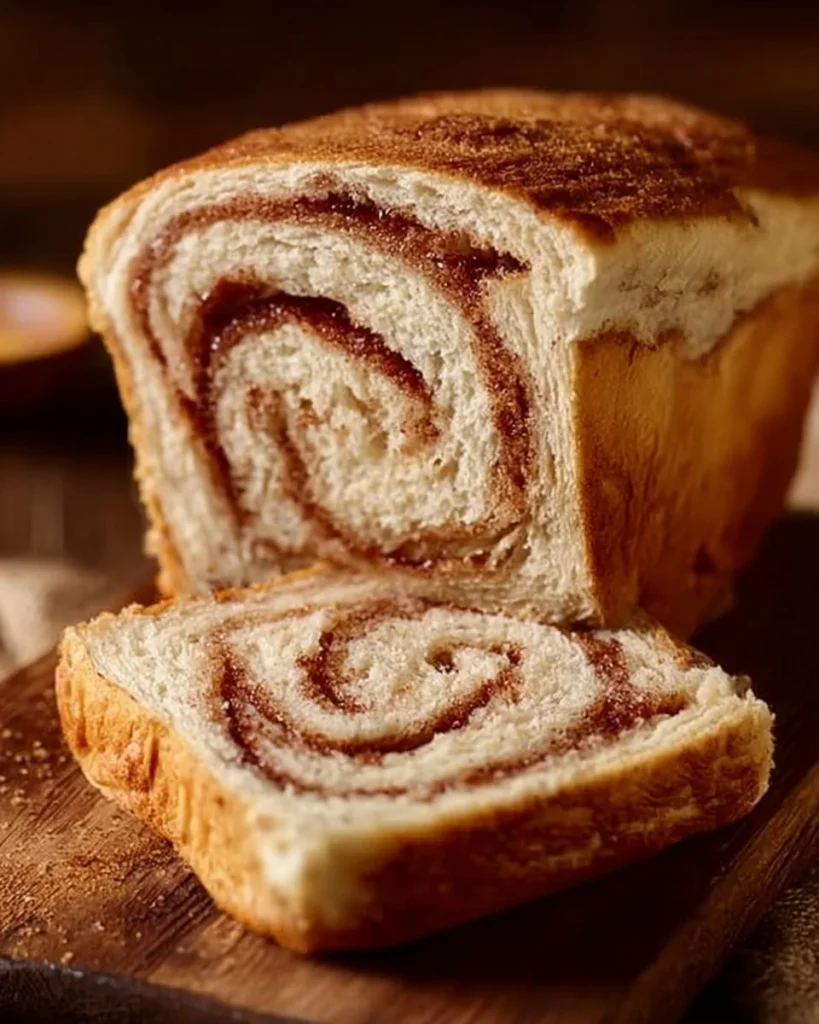
Homemade Cinnamon Bread is a warm, fragrant loaf that fills the kitchen with inviting aromas. This easy Homemade Cinnamon Bread brings together soft, fluffy dough and a sweet cinnamon ribbon. The crust browns to a golden finish while the inside stays tender. You get a soft crumb with swirls of cinnamon-sugar that melt into the bread as you bake. 🍞
This bread has roots in many home kitchens. Cinnamon-spiced quick breads and yeast breads have long been breakfast favorites in Europe and the United States. The flavor is simple and nostalgic: cinnamon, brown sugar, and butter. The texture is comforting — slightly chewy from the yeast and tender from the eggs and butter.
People love this homemade Homemade Cinnamon Bread because it tastes like a warm hug. It is great for a lazy weekend breakfast, a gift, or an after-school snack. The aroma of cinnamon and baking bread makes it irresistible. This recipe promises a reliable loaf that browns beautifully and slices cleanly. It’s the best Homemade Cinnamon Bread recipe when you want comfort and flavor without fuss. Simple to follow, it will make you excited to bake again.
Why This Recipe is Perfect
- Quick and easy: Rise times are standard and steps are straightforward.
- Pantry-friendly: Uses common pantry ingredients.
- Budget-friendly: No expensive add-ins.
- Beginner-friendly: Clear steps make it ideal for new bakers.
- Family-approved: Kids and adults love the sweet cinnamon ribbon.
- Consistent results: Measurements and tips yield reliable texture and color.
- Versatile: Easy to tweak for dietary needs or flavor upgrades.
This version is better than many online because it balances simplicity with technique. It explains why each step matters so you can avoid soggy fillings, dense crumb, or crumbly slices. If you look for a simple Homemade Cinnamon Bread recipe that produces a consistent, bakery-style loaf at home, this is it.
How to Make Homemade Cinnamon Bread
Start by activating the yeast in warm milk with sugar. This wakes up the yeast and ensures a good rise. Adding melted butter and eggs next enriches the dough. Gradually add flour and salt so the dough forms but stays slightly tacky. Kneading develops gluten, which gives the loaf its structure and chewy but tender texture.
After the first rise, roll the dough into a rectangle. Spread the butter, then sprinkle the cinnamon-brown sugar evenly. Rolling tightly creates even swirls and prevents big air pockets. A second rise lets the dough relax and puff before baking. Baking at 350°F (175°C) yields a golden crust and a fully baked center without overbrowning.
Each step matters: proper yeast activation gives lift; correct kneading gives texture; even filling distribution gives consistent bites of cinnamon in every slice. Follow timing closely, but use visual cues (doubled dough, golden crust) to guide you.
Ingredients
- 4 cups all-purpose flour
- 1 packet active dry yeast (2 1/4 teaspoons)
- 1/2 cup granulated sugar
- 1 teaspoon salt
- 1 cup warm milk (about 110°F / 43°C)
- 1/4 cup unsalted butter, melted (plus extra for spreading)
- 2 large eggs
- 1 tablespoon ground cinnamon
- 1/4 cup brown sugar
How to choose high-quality ingredients:
- Use fresh yeast for reliable rise. If yeast smells sour or looks discolored, replace it.
- Use room-temperature eggs for better emulsification.
- Choose real butter for flavor. Margarine alters taste and texture.
- Use fresh cinnamon for bright spice notes.
Substitutions for dietary restrictions:
- Dairy-free: Replace milk with unsweetened almond or oat milk and use vegan butter for spreading.
- Egg substitute: Use a flax egg (1 tbsp ground flax + 3 tbsp water per egg) for a vegan swap, though texture will be denser.
- Gluten-free: Use a 1:1 gluten-free baking flour blend designed for yeast breads and add a small binder like xanthan gum per package instructions.
Step-by-Step Directions
-
Activate the yeast
- Combine warm milk (about 110°F), granulated sugar, and yeast in a large bowl.
- Visual cue: mixture becomes frothy in 5–10 minutes.
- Smell: a mild yeasty, slightly sweet smell.
- Mistake to avoid: water too hot kills yeast; too cold won’t activate it.
-
Add butter and eggs
- Stir in the melted butter and eggs until well combined.
- Visual: the mixture looks glossy and slightly thicker.
- Mistake: adding cold eggs can chill the milk and slow yeast action.
-
Add flour and salt
- Gradually stir in 4 cups flour and 1 tsp salt until a dough forms.
- Texture: dough will be slightly sticky but hold shape.
- Mistake: adding too much flour makes a dry loaf. Add flour slowly.
-
Knead the dough
- Turn onto a floured surface and knead 5–7 minutes until smooth and elastic.
- Visual: dough becomes shiny and springs back when pressed.
- Sound/feel: it becomes less sticky and more pliable.
- Mistake: under-kneading yields a dense crumb; over-kneading is rare by hand but can make it tough.
-
First rise
- Place dough in a greased bowl, cover, and let rise in a warm place about 1 hour until doubled.
- Visual: doubled size and soft to the touch.
- Mistake: skipping the rise gives dense bread.
-
Preheat oven to 350°F (175°C)
- This ensures the loaf bakes immediately once shaped.
-
Roll out and add filling
- Roll dough into a rectangle about 12×8 inches. Spread melted butter and sprinkle the cinnamon and brown sugar mixture evenly.
- Visual: an even layer of sugar and cinnamon covers the dough.
- Smell: sweet cinnamon fills the air.
- Mistake: too much filling can leak and make a soggy bottom.
-
Roll and place in pan
- Roll the dough tightly from the long edge into a log. Pinch seam to seal. Place seam-side down in a greased loaf pan.
- Visual: compact log with sealed seam.
- Mistake: loose rolling causes large air pockets.
-
Second rise
- Let it rise another 30 minutes until puffy.
- Visual: top puffs above the pan rim slightly.
-
Bake 25–30 minutes
- Bake until golden brown and the loaf sounds hollow when tapped. Internal temp ~190–200°F (88–93°C).
- Visual: even golden top and set center.
- Mistake: underbaked center is gummy; cover with foil if the top browns too quickly.
- Cool and slice
- Allow to cool before slicing. Cooling sets the crumb and prevents tearing.
- Visual: loaf firms slightly and releases steam.
- Smell: final burst of cinnamon-butter aroma.
How to Serve Homemade Cinnamon Bread
- Simple breakfast: Serve warm with extra butter or cream cheese. ☕
- Brunch platter: Pair with fresh fruit, scrambled eggs, and yogurt.
- Dessert twist: Toast slices, add vanilla ice cream and drizzle caramel.
- Gift idea: Slice and wrap in parchment with a ribbon for neighbors.
Plating tip: Tilt a few slices on a wooden board with a small dish of softened butter or mascarpone for an inviting presentation.
Storage and Reheating
- Fridge: Store tightly wrapped for up to 4 days. The refrigerator will dry bread faster, so use within this time.
- Freezer: Wrap slices or the whole loaf tightly in plastic and foil. Freeze up to 3 months. Thaw overnight in the fridge or at room temperature.
- Reheating: Warm slices in a toaster oven at 300°F for 5–8 minutes or microwave for 12–20 seconds on a damp paper towel to revive moisture without sogginess. For best texture, reheat in an oven or toaster oven rather than the microwave.
Pro Tips
- Use a kitchen thermometer to keep milk at 105–115°F for perfect yeast activation.
- Melt butter but cool slightly so it doesn’t kill the yeast.
- Roll the dough tightly to get defined cinnamon swirls in slices.
- Brush the top with melted butter after baking for a glossy finish.
- If top browns too fast, tent with foil during the last 10 minutes.
- For extra flavor, add 1/2 teaspoon vanilla to the dough.
- Let it cool fully before slicing for clean, neat slices.
Variations
- Spicy version: Add 1/4 tsp ground cardamom and 1/8 tsp nutmeg to the cinnamon-sugar for a warm spice profile.
- Healthy version: Substitute half the flour with whole wheat flour and reduce sugar slightly; expect a denser crumb.
- Vegan option: Use plant milk, vegan butter, and replace eggs with flax eggs. Texture will be slightly different but still tasty.
- Deluxe upgrade: Add a cream cheese glaze or swirl in chopped pecans and raisins with the cinnamon sugar for a richer loaf.
Frequently Asked Questions (FAQ)
How do I prep this bread ahead of time?
You can shape the loaf, place it in the pan, cover tightly, and refrigerate overnight for a slow, cold rise. Bake next morning. This develops flavor and fits busy schedules.
What if my yeast mixture doesn’t get frothy?
If the mixture doesn’t foam within 10 minutes, the yeast may be old or the liquid was the wrong temperature. Discard and start with fresh yeast and correctly warmed milk.
Can I double the recipe?
Yes. Use two loaf pans and divide dough evenly. Rise times may be similar, but ensure each pan has room for rising.
Why is my filling leaking out?
Overfilling or rolling too loosely can cause leakage. Use a moderate amount of filling and seal the seam well. Also, avoid placing too much butter on the bottom of the pan.
How do I adjust baking time for a glass pan or convection oven?
A glass pan may bake faster; check 5–10 minutes earlier. In a convection oven, reduce temperature by 25°F (about 15°C) and watch closely as times will be shorter.
Can I make mini loaves or rolls?
Yes. Divide dough into smaller logs or cut into rolls. Adjust baking time: mini loaves bake in about 18–22 minutes; rolls 12–18 minutes.
What are good substitutions for brown sugar?
You can mix 3 tablespoons molasses into white sugar to mimic brown sugar, or use coconut sugar for a different caramel note.
Final Thoughts
This simple Homemade Cinnamon Bread is a cozy, crowd-pleasing loaf. It balances ease and flavor to deliver the best Homemade Cinnamon Bread recipe for home bakers. Try the tips and variations to make it your own. If you like this recipe, save it, share it, and enjoy the warm, cinnamon-scented moments it brings. ❤️
Conclusion
For another take on cinnamon-swirled loaves, see a popular guide to a similar loaf at Homemade Cinnamon Swirl Bread – Sally’s Baking Addiction. For a classic, family-style version and extra visuals, check Homemade Cinnamon Bread – The Pioneer Woman.
Homemade Cinnamon Bread
Ingredients
Method
- Combine warm milk, granulated sugar, and yeast in a large bowl. Wait for the mixture to become frothy in 5–10 minutes.
- Stir in the melted butter and eggs until well combined.
- Gradually stir in the flour and salt until a dough forms.
- Turn the dough onto a floured surface and knead for 5–7 minutes until smooth and elastic.
- Place dough in a greased bowl, cover, and let rise in a warm place for about 1 hour until doubled.
- Preheat oven to 350°F (175°C).
- Roll dough into a rectangle, spread melted butter, and sprinkle with cinnamon and brown sugar evenly.
- Roll the dough tightly from the long edge into a log, pinch seam to seal, and place seam-side down in a greased loaf pan.
- Let it rise another 30 minutes until puffy.
- Bake for 25–30 minutes until golden brown and the loaf sounds hollow when tapped.
- Allow to cool before slicing to set the crumb and prevent tearing.